When Should You Call a Plumber for a Sewer Problem?
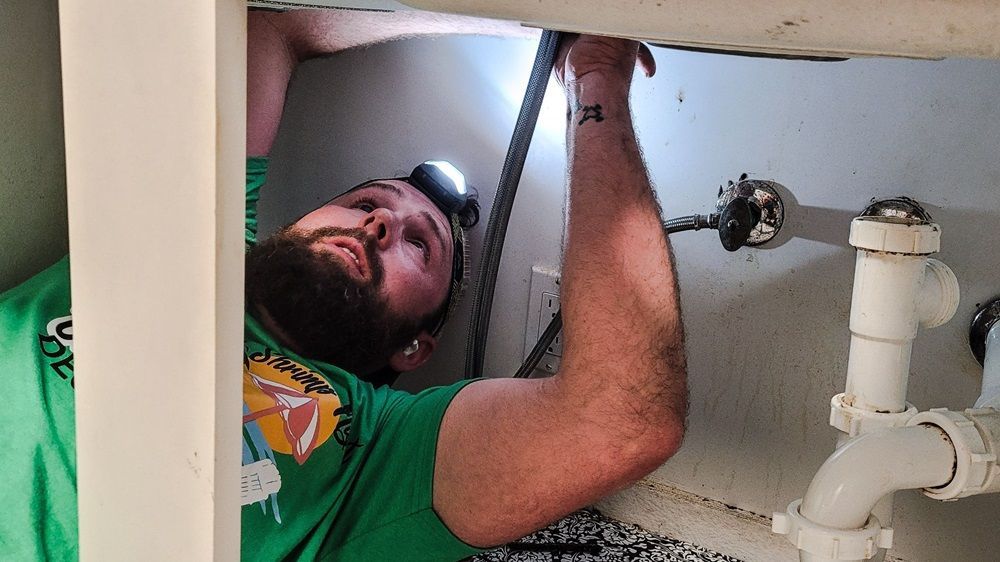
Call a plumber right away if sewage is coming up through a drain, or if two or more fixtures back up or slow down at the same time. Both point to a blockage or break in your main sewer line, which a plunger or store-bought drain snake can't reach.
A single slow sink or tub is usually a local clog, and it's reasonable to try clearing it yourself first. Below is how to tell the two apart, what to do while you wait for help, and what happens once a plumber arrives.
Drain Clog or Sewer Line Problem? How to Tell
Every sink, tub, and toilet drains into a branch line. Those branches join the main sewer line, which carries everything out to the public sewer. A clog in a branch affects one fixture. A clog in the main line affects every fixture upstream of it, starting with the lowest ones in the house.
Three quick checks help narrow it down:
- Flush a toilet and watch the nearest tub or shower. If water rises or gurgles in the tub, the main line is likely involved.
- Run a washing machine drain cycle. A ground-floor toilet or shower that backs up during the cycle points to the main line.
- Look at your outdoor cleanout. This is a capped pipe, usually near the foundation. Water seeping around the cap means the blockage is downstream of the house. Leave the cap on if it's bulging or leaking, since removing it can release sewage.
Warning Signs You Need Professional Help Now
- Sewage backups into your home. This is the unmistakable red flag. If water or sewage is coming up through your drains, showers, or toilets—especially dark or foul-smelling water—your sewer line is completely blocked or severely damaged. Do not ignore this. Do not wait. Call immediately.
- Gurgling sounds from drains or toilets. That bubbling or gurgling noise means air is trapped in your sewer line, usually because something is blocking the flow. Your plumbing is trying to vent, and it's a sign that pressure is building. This often precedes a backup.
- Multiple slow drains throughout the home. If your bathroom sink, shower, and toilet are all draining slowly—not just one—the blockage is in the main line. Local drain cleaners won't fix this because the problem isn't in the branch lines; it's deeper.
- Recurring drain clogs. You clear one clog, and a week later it's back. This pattern suggests something is catching debris consistently in the main line—likely tree roots, buildup, or partial damage. A temporary fix won't solve it; you need to address the root cause.
- Sewage odors around your home. A strong smell of sewage in your yard, near your foundation, or inside your home indicates a leak or breach in your sewer line. The smell can also come from a blocked vent stack, but either way, it means something is wrong.
- Wet spots or soggy patches in your yard. If one area of your lawn is consistently wet or greener than the rest—especially in dry weather—sewage may be leaking from a broken sewer line underground. That moisture is saturated with effluent, and it's a sign the line is damaged.
- Cracks, sinkholes, or unusually lush vegetation in your yard. A major sewer line break can cause the ground to settle and collapse. A sinkhole over or near your sewer line is a serious problem. Similarly, if one section of your lawn grows much faster and greener than the rest, it may be feeding on leaking sewage.
Common Causes of Sewer Problems
Tree roots. This is the number one sewer problem we see. Tree roots seek moisture and find their way into small cracks and joints in your sewer line. Once inside, they grow and expand, eventually blocking the line entirely or cracking it open. How tree roots damage sewer lines in Sacramento is a major issue, especially in older neighborhoods with mature trees and aging pipes.
Pipe damage from age or ground movement. Sewer lines installed decades ago can crack, collapse, or separate at the joints. Sacramento's heat and soil conditions can accelerate this damage. Pipes shift when soil settles or freezes and thaws (less common here, but it happens). Once a pipe cracks, roots get in, and the problem cascades.
Blockages from grease, soap, wipes, and debris. Kitchen grease that hardens inside the pipe, "flushable" wipes that don't actually flush, and accumulated soap scum can choke your sewer line. The more material that collects, the more other debris catches and builds up. Eventually, the line clogs completely.
Improper slope or settling of the line. If your sewer line wasn't installed with the correct slope, or if the ground has settled over time, water pools inside the pipe instead of flowing freely. Stagnant water attracts debris and allows buildup to form. You get recurring clogs that won't stay fixed.
Heavy rain or seasonal water table rise. Heavy rain in Sacramento can cause sewer line backups for homeowners with older, cracked pipes or lines that run near the water table. Groundwater seeps in, overwhelms the line's capacity, and backs up into your home.
When a DIY Fix Is Reasonable
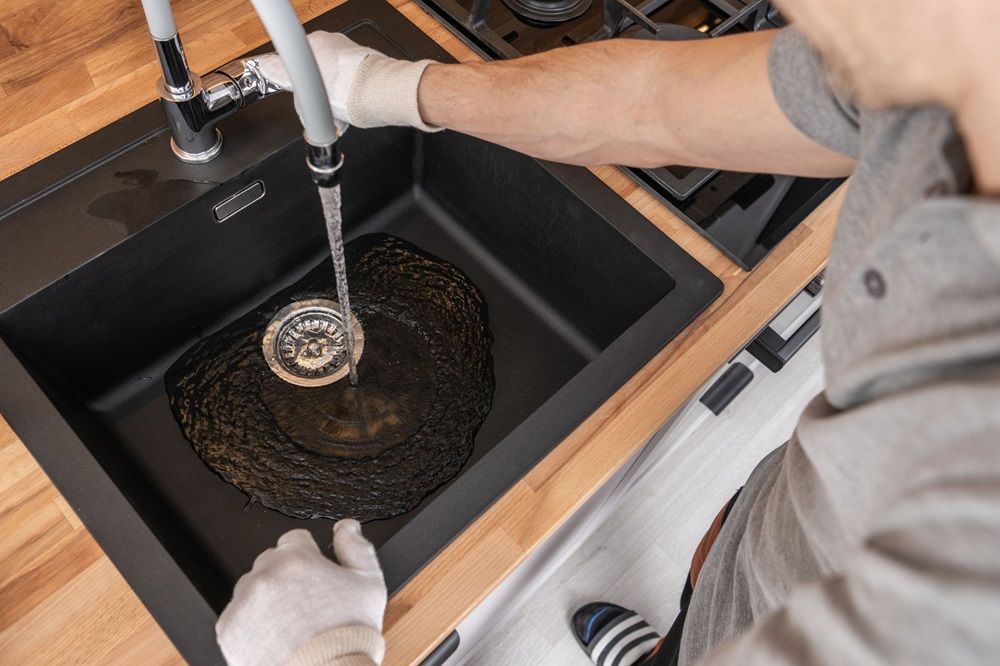
If only one fixture is slow, nothing smells, and every other drain works normally, the clog is probably in that fixture's branch line. A plunger or a hand auger from a hardware store is a fair first attempt for a sink, tub, or shower drain.
Skip chemical drain cleaners. They rarely clear a main-line clog; they can damage older pipes, and the caustic water left behind makes the plumber's job more hazardous.
Give it one solid attempt. If the drain is still slow afterward, or the clog comes back within a couple of weeks, the problem is farther down the line and needs professional drain cleaning.
What to Do While You Wait for the Plumber
A few steps limit the damage before help arrives:
- Stop using water. No flushing, showers, dishwasher, or laundry. Everything you send down ends up at the lowest drain.
- Tell everyone in the house, so no one runs a tap out of habit.
- Keep children and pets away from any backed-up water.
- Don't pour in chemical cleaners or try to snake the main line yourself.
- Clear a path to the outdoor cleanout so the plumber can get to it quickly.
- Take photos of any water damage for your insurance claim.
Who Is Responsible for the Sewer Line?
In most of the Sacramento area, the homeowner owns the upper lateral: the pipe running from the house to the public cleanout near the property line. SacSewer owns and maintains the lower lateral beyond that point. The public cleanout cap is usually marked "sewer."
If a plumber finds the blockage on the public side, SacSewer handles the repair. Homes in the foothills, including El Dorado and Placer County communities, are served by other districts or septic systems, so the dividing line can differ there.
Why Waiting Makes Sewer Repairs Cost More
A crack caught early can often be sealed with cured-in-place lining, which typically runs $4,000 to $12,000 in Sacramento. Once the same section collapses, the fix usually moves to pipe bursting at $8,000 to $25,000, depending on length and access. Our trenchless sewer repair cost guide breaks down what drives those numbers.
Repeated backups add costs unrelated to the pipe itself, including crawlspace cleanup, replaced insulation, and flooring repairs. Most homeowners insurance policies exclude sewer backups unless you've added a sewer backup endorsement, so those costs often fall on you.
What Happens When You Call Mako Plumbing & Sewer
- We ask about your symptoms by phone. Which fixtures are affected, whether there's sewage inside, and how long it's been happening. This tells us how quickly we need to be there.
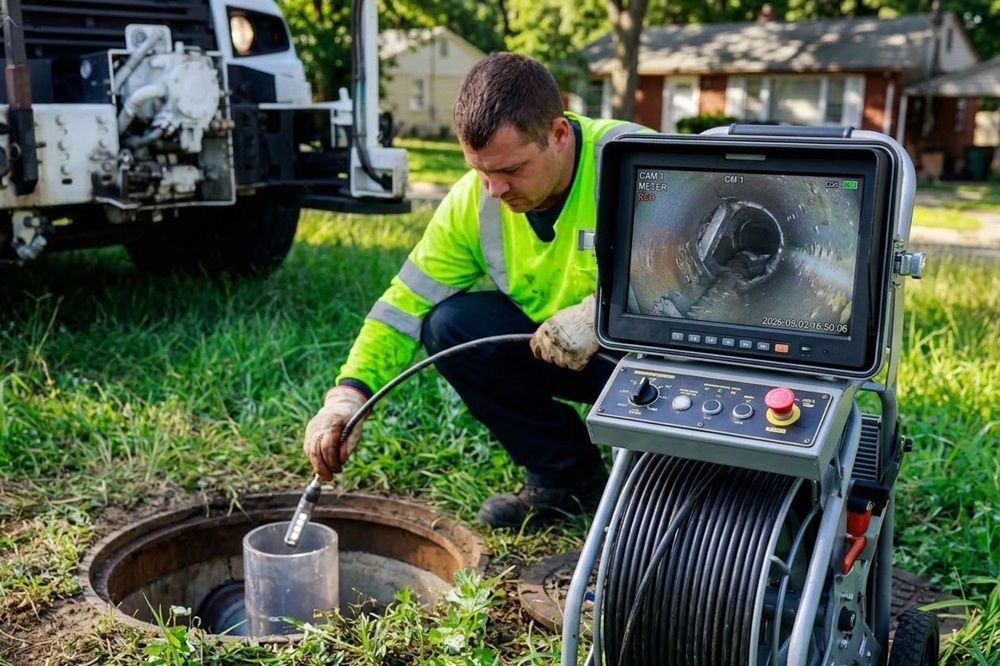
- We inspect the line with a camera. A waterproof camera on a flexible cable shows the blockage, crack, root intrusion, or sag, and exactly where it sits.
- We clear blockages. Depending on what's in the line, that means snaking or hydro jetting. Our comparison of hydro jetting vs. snaking explains when each fits.
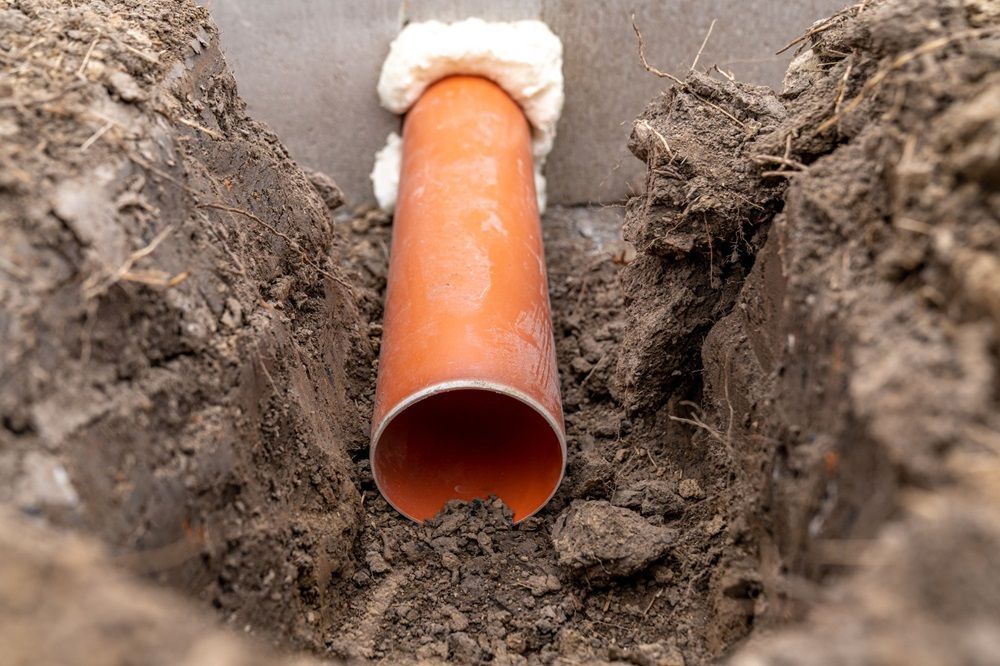
- We repair damage. Cracked or collapsed sections are fixed with spot repair, trenchless sewer repair, or full sewer line replacement.
Estimates are free, and you get a flat-rate price before any work starts. We never charge by the hour, and every job is warranted.
Mako Plumbing & Sewer is a family-owned business run by two brothers with over two decades of experience across Sacramento, El Dorado, and Placer counties. If you're dealing with a sewer backup or slow drains throughout the house, call 279-221-3790 or request a free estimate.
FAQs
What's the difference between a clogged drain and a sewer line problem?
A clogged drain affects one fixture—usually the kitchen sink or bathroom drain closest to the blockage. A sewer line problem affects multiple fixtures throughout your home because the issue is in the main line carrying waste from your entire home. If your toilet and shower are both slow or backing up, it's a sewer problem.
How do I know if tree roots are in my sewer line?
The most common signs are recurring clogs in the same location, slow drains that get worse over time, and gurgling sounds from your toilet or drains. A sewer camera inspection is the only way to confirm tree roots. We can see them clearly on the camera feed and recommend the best way to remove them.
Can I fix a sewer line problem myself?
No. Sewer line problems require professional diagnosis and repair. A camera inspection is necessary to identify the exact problem, and clearing or repairing the line requires specialized equipment. Attempting a DIY fix will waste time and money and could make the problem worse.
How much does a sewer line repair cost?
The cost depends on what's wrong and where the problem is located. A blockage cleared with hydro jetting might cost between $300 and $800. A full sewer line replacement could cost $3,000 to $25,000 or more, depending on depth, length, and whether trenchless methods can be used. We always provide a free estimate with a clear breakdown of what's needed and why.
Should I use chemical drain cleaners for a sewer problem?
Chemical drain cleaners might clear a simple clog, but they won't solve a sewer line problem. They also pose environmental and plumbing risks—they can corrode pipes and damage septic systems. For any sign of a main-line issue (multiple slow drains, sewage smell, backup), skip the chemicals and call a plumber.
How often should I have my sewer line inspected?
If your home is over 25 years old or you have mature trees on your property, a camera inspection every 3 to 5 years is a good idea—especially if you've had clogs before. If you notice warning signs, get an inspection immediately. Catching a problem early is always cheaper than waiting for an emergency.
You might also like