Why Heavy Rain in Sacramento Leads to Sewer Line Backups?
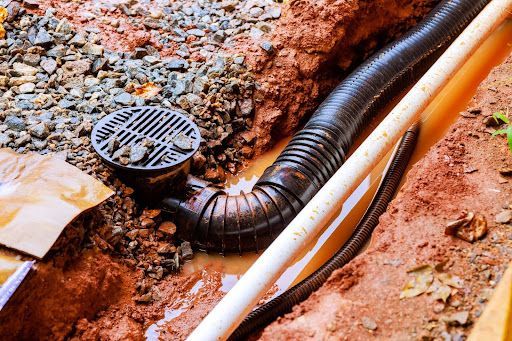
When heavy rain hits Sacramento, most homeowners focus on what they can see. That likely is standing water, clogged gutters, or pooling in the yard. While that’s sensible, the bigger problem is usually hidden underground.
Your sewer line is designed to carry wastewater away from your home. During a storm, that system is suddenly pushed beyond normal limits. Water builds pressure, finds weak points, and exposes problems that may have been developing for years.
That’s why sewer backups seem to appear “out of nowhere” after heavy rain. In reality, the conditions created by the storm simply push an already stressed system past its breaking point.
Let’s break down exactly why this happens and what it means for your home.
What Actually Changes Underground During Heavy Rain?
When heavy rain saturates the ground, the impact goes far beyond what you see on the surface. Water begins to move through the soil, surrounding and pressing against underground sewer lines.
As this happens, several things change:
- Groundwater levels rise, increasing pressure on buried pipes
- Municipal sewer systems begin handling additional stormwater along with regular wastewater
- Excess moisture finds its way into small cracks, joints, and weak points in the sewer line
This process, known as inflow and infiltration (I&I), adds a significant volume of unwanted water into the system. As a result, sewer lines are forced to carry more than they were designed for.
Once that capacity is exceeded, wastewater flow becomes restricted, and in many cases, it reverses direction. That’s when backups begin to appear inside the home.
7 Reasons Heavy Rain Causes Sewer Line Backups
Let’s go deeper. Most backups aren’t caused by a single issue. It’s usually a combination of many factors working together.
1. Sewer System Overload
During heavy rain, Sacramento’s municipal sewer system has to handle far more than usual:
- Household wastewater
- Stormwater runoff
- Groundwater entering through leaks
When the system exceeds capacity, water flow slows down or reverses direction. That’s when sewage can start pushing back toward homes instead of flowing away.
2. Rainwater Enters Through Cracks in Your Sewer Line
Even small imperfections in your pipe can become a big problem during rain.
Water seeps in through:
- Hairline cracks
- Loose joints
- Pipe connections
What this really means is that your sewer line is now carrying more than just wastewater. It fills up faster than it can drain, and once it reaches capacity, the excess has nowhere to go.
3. Small Clogs Become Full Blockages Under Pressure
You might already have a minor clog caused by:
- Grease buildup
- Soap residue
- Debris
On a normal day, water squeezes past it. During heavy rain:
More water + more pressure = complete blockage.
Now, instead of draining slowly, water stops moving entirely and backs up into your home.
4. Tree Roots Expand and Block the Pipe
In Sacramento, many older neighborhoods are lined with large, established trees, and their roots are constantly searching for moisture. During rainy periods, this becomes a bigger issue. Roots tend to grow faster, push deeper into underground pipes, and begin to trap debris. Over time, this restricts water flow and turns your sewer line into a bottleneck, right when it needs to handle increased demand.
5. Saturated Soil Shifts and Damages Pipes
When soil absorbs too much water, it expands and moves. That movement directly impacts underground pipes.
It can:
- Misaligned pipe sections
- Widen existing cracks
- Disrupt the slope needed for proper drainage
Even a slight shift can slow down wastewater flow, increasing the chances of a backup.
6. Older Sewer Lines Can’t Handle the Extra Load
If your home has an older sewer system, it’s already at a disadvantage. Over time, corrosion, material breakdown, and general wear weaken the pipes. Heavy rain then adds extra pressure, turning a vulnerable line into a potential failure point.
7. Poor Drainage Around Your Home Makes Everything Worse
This one often gets overlooked.
If your property doesn’t drain properly:
- Water collects near your foundation
- Pressure increases around your sewer line
- More groundwater seeps into the system
Clogged gutters, short downspouts, or improper grading all contribute to this problem. Fixing these can significantly reduce risk.
Why Do Backups Appear in the Lowest Fixtures First?
If water backs up into your shower, tub, or basement drain before anything else, it’s not random.
It comes down to basic physics.
When pressure builds inside your sewer line, wastewater is forced back toward your home. The lowest fixtures provide the easiest exit point, so that’s where the problem appears first.
Think of it as your plumbing system’s early warning signal.
Warning Signs You Shouldn’t Ignore
Sewer issues rarely happen without warning. You just need to know what to look for.
Common signs include:
- Multiple drains are slowing down at once
- Gurgling sounds when water is used
- Water backing up in tubs or floor drains
- Unpleasant sewer odors during or after rain
If these symptoms appear during storms, your system is likely under stress.
Conclusion
Heavy rain doesn’t directly cause sewer line problems; it exposes the weaknesses already present in your system.
Whether it’s a small crack, a partial clog, or aging infrastructure, these issues can go unnoticed until a storm pushes your plumbing beyond its limits. Once that happens, the results can be messy, costly, and difficult to ignore.
The key is recognizing early warning signs and taking action before the next heavy rainfall puts your system to the test again.
Protect Your Home from Sewer Backups Before the Next Storm
Recurring drainage issues during heavy rain are a clear indication that your sewer line is under stress. What may seem like a minor inconvenience today can quickly develop into a serious backup, leading to property damage and costly repairs.
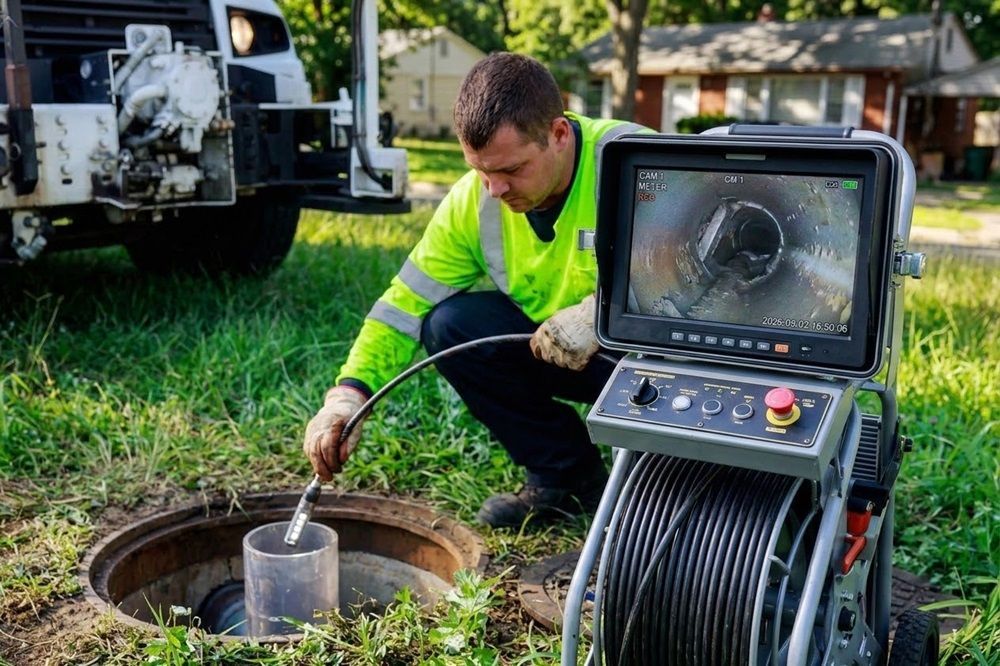
Addressing the problem early allows you to identify underlying issues such as blockages, structural damage, or root intrusion, before they escalate.
Mako Plumbing provides thorough sewer line inspections and dependable solutions tailored to Sacramento homes. With a strong understanding of local infrastructure and seasonal challenges, our team focuses on resolving the root cause rather than just the symptoms.
If you’re noticing warning signs or want to prevent future issues, explore professional sewer line repair and replacement services in Sacramento to ensure your system remains reliable, even during periods of heavy rainfall.
Frequently Asked Questions
Can heavy rain really cause sewer line backups in Sacramento?
Yes, heavy rain can overwhelm both municipal sewer systems and residential sewer lines. When excess water enters the system, it increases pressure inside the pipes, which can slow drainage or cause sewage to back up into your home.
Why do my drains only back up when it rains?
If your drains only act up during rainfall, it usually indicates an underlying issue such as a partial blockage, pipe damage, or water entering the system through cracks. Rain increases the load on your sewer line, exposing these hidden problems.
How do I know if my main sewer line is clogged?
Common signs include multiple slow drains, gurgling noises, water backing up in lower fixtures like showers or floor drains, and sewer odors. If these issues happen together, especially during rain, your main sewer line may be affected.
What is the best solution for recurring sewer backups?
The right solution depends on the cause. It may involve cleaning the line, repairing damaged sections, or replacing the sewer line entirely. A professional inspection can determine the most effective long-term fix.
Who should I contact for sewer line issues during heavy rain in Sacramento?
For recurring backups or drainage problems during storms, it’s best to work with a local expert who understands Sacramento’s sewer conditions. Mako Plumbing offers reliable sewer line repair and replacement services in Sacramento, helping homeowners resolve issues quickly and prevent future backups.
You might also like