10 Warning Signs You Need Sewer Line Repair
Your sewer line is one of the most critical yet often overlooked systems in your home. When it fails, the results are expensive and messy. The good news is your sewer line usually tells you something's wrong before it becomes a total disaster. Most homeowners miss those warning signs until raw sewage is backing up into their yard or basement.
This article walks you through the 10 most common warning signs that your sewer line needs repair, what each one means, and why waiting makes the problem worse.
1. Slow Drains Throughout the House
A single slow drain usually means a localized clog. But when sinks, showers, toilets, and tubs throughout your home all drain slowly, the problem is often in the main sewer line.
Grease, soap buildup, debris, mineral deposits, or invading tree roots can partially block the line, restricting wastewater flow from the entire house. If multiple drains slow down at the same time, schedule a professional sewer line inspection before the blockage worsens.
2. Frequent Backups and Blockages
Recurring backups are a strong sign that your main sewer line is blocked. If you're dealing with repeated clogs or wastewater backing up into drains, the problem is likely beyond an individual fixture.
Backups occur when something restricts the flow of wastewater through the sewer line, such as:
- Tree roots pushing into the line
- Grease and soap buildup narrowing the pipe diameter
- Foreign objects flushed down (wipes labeled "flushable," feminine hygiene products, paper towels)
- Collapsed or misaligned sections of old pipe
- Offset joints where sections have shifted out of alignment
If you're dealing with repeated backups, a camera inspection will show exactly where the blockage is and how severe it is. Don't keep snaking it out yourself—that's a temporary fix, not a solution.
3. Sewage Backup in Your Home
This is the most obvious sign and usually the one that gets homeowners' attention. Sewage backing up into your toilet, shower, bathtub, or lowest-level drains is an immediate structural failure somewhere in your sewer line.
Backup usually happens first at the lowest point in your home—often a basement toilet, floor drain, or shower. The backed-up material contains raw sewage, which is a serious biohazard. Don't touch it, don't let children or pets near it, and don't wait to call a professional.
Sewage in the house means the line is completely or nearly completely blocked. Water from upstairs fixtures has nowhere to go, so it reverses direction and comes back into your home through the closest low point. This is a health emergency that requires immediate professional intervention.
4. Sewage Pooling in Your Yard
Raw sewage pooling in your yard, near your foundation, or in low spots around your property is a sign of a serious sewer line leak or break. The sewage isn't making it to the city main line—it's leaking out underground near your home.
This pooling typically appears after heavy rain or when you run a lot of water (laundry, showers, dishwasher). The extra water puts pressure on an already damaged line, forcing sewage out through cracks or breaks in the pipe.
Sewage in your yard is not just unpleasant—it's a public health hazard and usually a code violation. Mako Plumbing and Sewer recommends immediate professional assessment because pooling sewage indicates a break large enough to require excavation and sewer replacement.
5. Lush, Unusually Green Patches in Your Yard
A dead zone in your lawn might mean your sewer line is leaking. But paradoxically, unusually lush, green, fast-growing grass or vegetation in one area can also be a sign. That's because leaking sewage is nitrogen-rich fertilizer.
If you notice one section of your yard dramatically greener or growing faster than the rest, and especially if it corresponds to the path of your sewer line, the line likely has a leak. The water escaping from the pipe is nourishing the grass above it.
This sign is easy to miss because homeowners often think green grass is just a good thing. But it's one of the earliest warning signs of a sewer leak. If you know roughly where your sewer line runs (check your property survey or ask your city), inspect that area regularly for patches that seem out of place.
6. Persistent Odors Around Your Home
A faint sewage smell outdoors occasionally is one thing. A persistent, strong sewage smell near your home, in your yard, or even inside—especially in your basement or lowest level—means sewage is leaking from your line.
Sewage has a distinctive, unmistakable odor. If you smell it regularly and can't trace it to a toilet overflow or full septic tank, the source is likely a cracked or broken sewer line leaking into the soil around your foundation.
This smell can also appear inside your home if gas from the sewer line is backing up through your drains. Your plumbing fixtures have traps filled with water that normally block sewer gas. If the pressure in the line is high enough, it can push that gas back up and out through your drains.
Don't ignore persistent sewage odors. They indicate an active leak that's only going to get worse.
7. Mold or Moisture Issues in Your Basement
Unexplained mold, wet spots, or moisture seeping into your basement walls or floor can be caused by a leaking sewer line running nearby. Soil-based bacteria and fungal growth thrive in damp environments, so a leaking sewer line increases basement moisture and mold risk.
This sign is particularly common in homes with basements or crawl spaces. The sewer line runs underground near the foundation, so if it leaks, that water seeps into the soil around your basement walls and eventually through cracks in the foundation or through porous concrete.
Mold in the basement is dangerous for your health and expensive to remediate. If you have persistent mold or moisture that doesn't correspond to heavy rain or gutter problems, have a professional inspect your sewer line.
8. Pest Infestations or Rodents
Rats, raccoons, and insects are attracted to sewer lines because they're a source of food, water, and shelter. If you suddenly notice an increase in rodents or have a pest problem you can't explain, a cracked or broken sewer line might be the culprit.
Cracks and breaks in your sewer line create entry points for pests. They travel up the broken line, through your pipes, and into your home. You might see them in your basement, crawl space, or even in your walls.
This is one of the less obvious warning signs, but it's worth noting. If a professional pest control company can't identify the source of your problem, ask them about whether sewer line damage might be involved.
9. Foundation Cracks or Settling
A leaking sewer line compromises the soil around your foundation. As that soil becomes saturated and unstable, your foundation can shift or settle unevenly. Over time, this causes visible cracks in your foundation, walls, or concrete slab.
Foundation problems are expensive to fix. A sewer line leak is often the root cause, but homeowners sometimes address the foundation crack without fixing the sewer line. The leak continues, the soil continues to erode, and the foundation problem returns.
If you have foundation cracks that seem to be getting worse, especially if they correspond to the path of your sewer line, get a sewer inspection before you invest in foundation repair.
10. Unusually High Water Bills
If your water bill suddenly jumps and you haven't changed your usage habits, a hidden water leak somewhere in your plumbing or sewer system could be the cause. A major sewer line break doesn't always show obvious signs immediately—the leak might be slow and underground.
Review your water usage history on your bill. Most utility companies show a graph of your usage over time. A sudden spike without an obvious explanation warrants investigation.
A professional can perform a water audit to determine where the leak is. But if you've ruled out indoor leaks and your meter is running when no water is on in the house, the sewer line is a likely culprit.
What Causes Sewer Line Damage?
Understanding what breaks a sewer line helps you understand why these warning signs appear. The most common causes are:
- Tree roots: Tree roots are attracted to moisture and nutrients in sewer lines. They grow into cracks and eventually rupture the pipe. Older homes with clay pipes are especially vulnerable.
- Age and deterioration: Clay and cast iron pipes last 50-80 years. PVC and concrete pipes last longer. Over time, pipes become brittle, crack, and collapse.
- Ground movement: Soil settling, earthquakes, or shifting earth puts stress on underground pipes. Freeze-thaw cycles in cold climates also damage pipes.
- Corrosion: Certain soil conditions and minerals corrode metal pipes from the outside. Hard water and acidic soil speed the process.
- Installation defects: Improper slope, poor joints, or low-quality materials cause problems that appear years later.
- Heavy weight: Road construction, new building foundations, or extremely heavy equipment driving over the line can crack it.
Professional Diagnosis: Sewer Camera Inspection
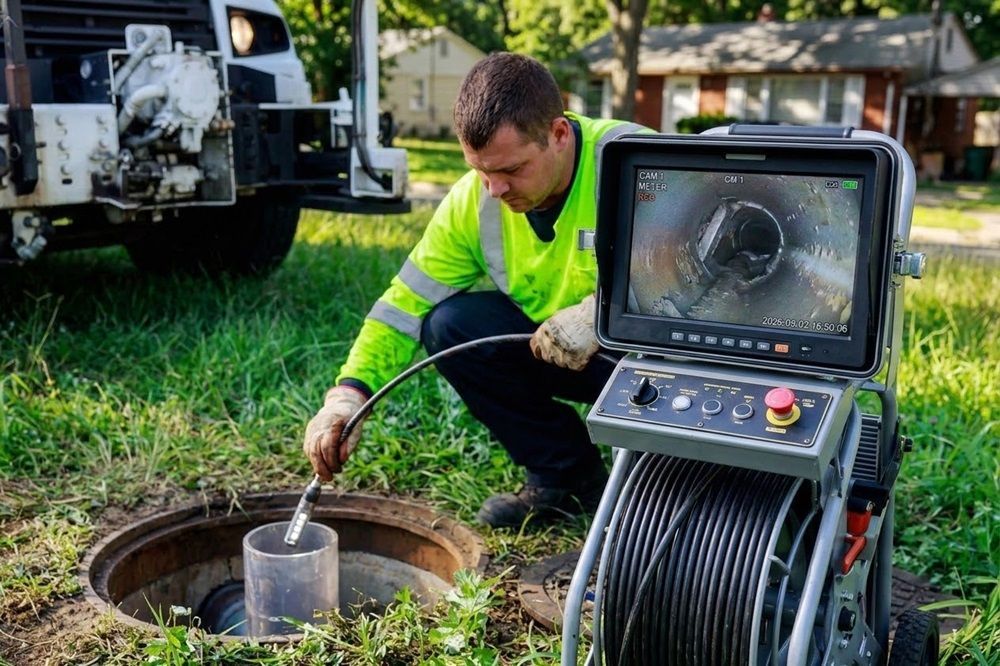
If you're seeing any of the warning signs listed above, the next step is a professional sewer line inspection. The standard diagnostic tool is a sewer camera—a small, high-resolution camera on a flexible cable that travels through your sewer line and shows exactly what's happening.
A camera inspection takes 30-60 minutes and costs far less than emergency repairs from a major backup. It pinpoints the exact location of cracks, blockages, root intrusion, collapses, or other damage. You get video evidence of what needs to be fixed, which also helps your insurance company if you file a claim.
We recommend a camera inspection as soon as you notice multiple warning signs. The inspection tells you what's actually wrong, not just what you suspect. From there, you can plan the appropriate repair.
Sewer Line Repair and Replacement Solutions
Once the damage is identified, your repair options depend on severity and location:
Trenchless sewer line repair is the modern preferred method for many situations. Instead of excavating your entire yard, a technician inserts a new pipe inside the old one or uses epoxy to seal cracks. This method is less invasive, faster, and less expensive than traditional dig-and-replace in many cases.
Sewer line replacement is necessary when the pipe is severely collapsed, severely corroded, or has multiple major breaks. This involves excavating the damaged section and installing new pipe. It's more disruptive but provides a completely new line that will last decades.
Spot repairs work for isolated small cracks or breaks in sections that are otherwise sound. A technician can replace just the damaged section without affecting the whole line.
Mako Plumbing and Sewer uses sewer camera inspection and diagnoses each situation individually. The goal is to recommend the least invasive, most cost-effective repair that permanently solves the problem.
Prevention Tips for Future Problems
Once your sewer line is repaired, take steps to prevent future damage:
- Avoid planting trees and shrubs directly over your sewer line. If trees are already there, ask about root barriers.
- Don't flush anything except toilet paper and human waste. Even "flushable" wipes cause blockages.
- Keep grease out of drains. Grease solidifies in pipes and traps other debris. Dispose of it in the trash.
- Use drain screens in sinks and showers to catch hair and debris before it enters the line.
- Have your main sewer line snaked or cleaned every few years if you have an older home or known tree root problems.
- Be aware of where your sewer line runs on your property. Avoid driving heavy equipment over it or digging near it without locating it first.
- Monitor your water bill for unexplained increases, which can indicate a leak.
Don't Ignore the Warning Signs
A damaged sewer line rarely fixes itself. Addressing slow drains, recurring backups, foul odors, or soggy patches early can prevent costly property damage and emergency repairs.
If you've noticed any of these warning signs,
contact Mako Plumbing and Sewer for a professional sewer camera inspection. Our team will identify the source of the problem and recommend the most effective repair solution to restore your sewer line and protect your home.
FAQ
How do I know if I have a sewer line problem or just a clogged drain?
If only one drain is slow, it's likely a local clog. If multiple drains slow down simultaneously, or if you have backups in multiple fixtures, the issue is probably your main sewer line. A professional sewer camera inspection is the definitive way to tell.
Can I fix a sewer line backup myself?
No. Sewer line problems require specialized equipment and professional diagnosis. DIY snaking might temporarily clear a blockage, but it won't fix the underlying problem. If the backup returns within days or weeks, a professional inspection is necessary.
How much does a sewer line repair cost?
Cost depends on the damage severity, repair method, and how much excavation is needed. Trenchless repairs typically cost $3,000-$8,000. Full replacement of a damaged section can range from $8,000-$20,000 or more, depending on length and depth. An inspection and video diagnosis typically costs $300-$500 and is the best first step.
Does homeowners insurance cover sewer line damage?
Most standard homeowners policies do not cover sewer line damage caused by tree roots, age, or normal wear. However, some policies cover sudden, accidental damage (like from construction or ground movement). Check your policy or contact your insurance agent. Even if not covered, a professional diagnosis and repair now is cheaper than waiting for a complete failure.
How long does a sewer line repair take?
A trenchless repair typically takes one day. A traditional dig-and-replace can take 2-5 days depending on the length of damaged pipe and how accessible it is. A camera inspection takes 30-60 minutes.
Can I prevent tree roots from getting into my sewer line?
You can minimize risk by avoiding planting large trees over your sewer line. If trees are already there, you can install root barriers or have the line cleaned regularly. However, older clay pipes are vulnerable to root intrusion no matter what—replacement with modern pipe is the permanent solution.
Ready to Solve Your Sewer Problem?
A failing sewer line feels like a financial emergency, but trenchless repair has made this problem manageable without destroying your home and yard. Understanding the cost and choosing the right method—rather than guessing or going with the first quote—puts you in control of the decision.
You might also like