How Tree Roots Damage Sewer Lines in Sacramento (And How to Fix It)
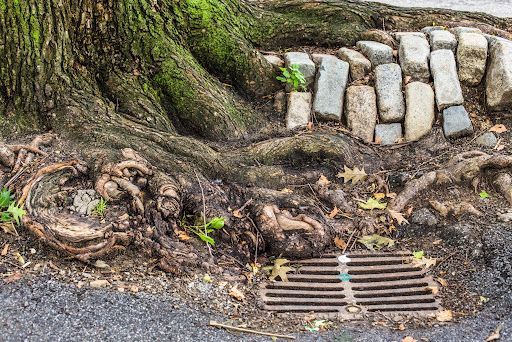
If you own a home in Sacramento, tree roots are a common cause of sewer line problems. Between large shade trees like oaks and sycamores, clay-heavy soil, and older underground pipes, this is one of the most common causes of sewer problems in the area.
What makes it tricky is that the damage usually starts small and goes unnoticed. By the time you see slow drains or backups, roots may already be growing inside your sewer line. Knowing what’s happening early makes a big difference in how costly the fix gets.
How Do Tree Roots Damage Sewer Lines?
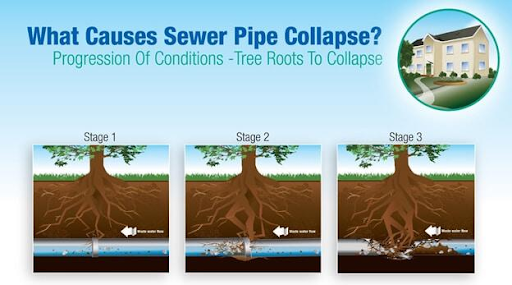
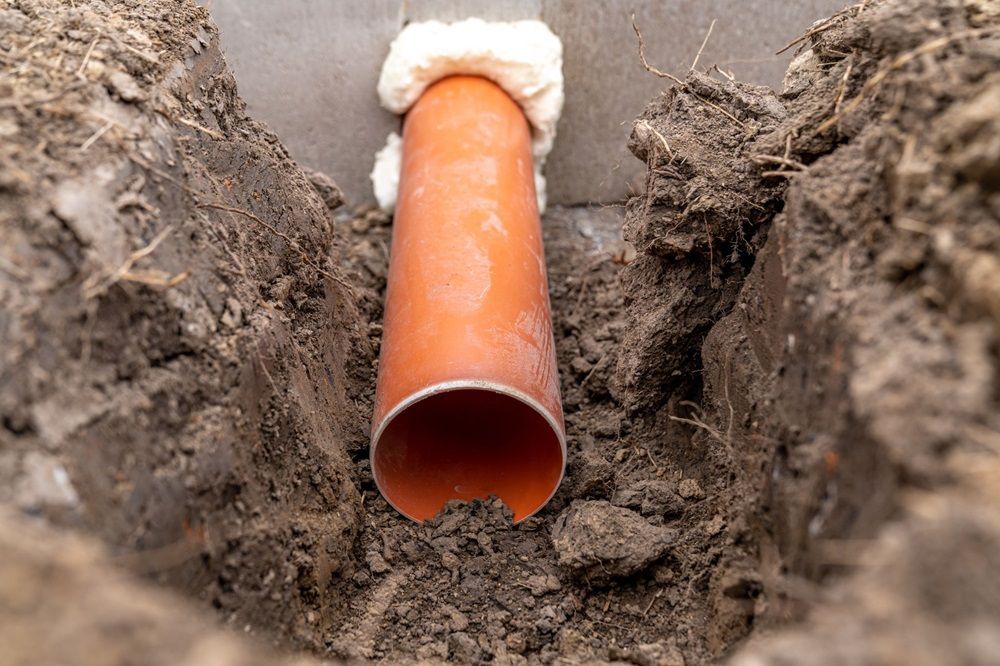
Roots slip into small cracks or loose joints, then grow inside the pipe and gradually take over the line. As they expand, they block the flow, capture debris, and begin exerting pressure on the pipe walls.
Once inside, roots act like a net, catching grease, paper, and waste. It builds slowly, restricting flow more and more until drains slow down or back up completely.
In many Sacramento homes, especially older ones, pipes already have weak points. That’s where roots get in, and once they’re inside, they keep growing as long as moisture is available.
Why Are Older Homes In Sacramento More Vulnerable?
Many older homes in Sacramento rely on clay or aging cast-iron sewer pipes. These materials break down over time, leading to cracks, corrosion, and joint separation.
Clay pipes are especially prone to shifting and splitting. When combined with soil movement and nearby tree roots, they’re more likely to develop root intrusion issues. Once the roots get in, the problem usually comes back unless the pipe is properly repaired.
What Are The Warning Signs Of Root Intrusion In Sewer Lines?
Root intrusion usually shows up through repeated drainage issues and changes in how your plumbing behaves. These signs often point to a deeper problem in the main sewer line rather than a simple surface-level clog.
- Slow-draining sinks, tubs, or showers
- Repeated clogs that keep coming back
- Gurgling sounds from drains or toilets
- Sewage backups inside the home
- Greener or soggy patches in the yard caused by leaking wastewater
If multiple drains are acting up at the same time or problems keep returning after cleaning, it’s a sign that roots are already inside the sewer line.
How Can You Prevent Tree Roots From Entering Your Sewer Line?
You can reduce the risk of root intrusion by staying proactive with maintenance and being mindful of what’s planted near your sewer line. Catching small cracks early helps prevent root intrusion.
Effective prevention methods include:
- Routine sewer camera inspections to spot early cracks
- Installing root barriers near large trees
- Replacing old clay pipes with modern materials
- Avoid planting deep-rooted trees near sewer lines
Regular maintenance helps avoid costly repairs later, especially in older Sacramento neighborhoods.
When Should You Call A Professional Plumber?
You should call a plumber when you notice recurring clogs, multiple slow drains, or sewage backups. These are signs that the issue goes beyond a basic blockage and may involve your main sewer line.
In some cases, professional drain cleaning services can remove buildup and restore proper flow. But if the problem keeps coming back, it usually points to deeper issues like root intrusion or pipe damage.
At that point, the only way to know what’s happening inside your sewer line is through a sewer camera inspection. This allows the plumber to see exactly where roots are located and how much damage they’ve caused.
If the pipes are severely worn or damaged, solutions like sewer line repair, sewer line replacement, or even whole house repiping may be needed to fix the issue properly and prevent it from returning.
Waiting too long can make things worse. What starts as a minor blockage can lead to a collapsed pipe or a full replacement if ignored.
How Are Tree–Root–Damaged Sewer Lines Fixed?
Tree root damage can be handled in different ways depending on how far the problem has progressed. Some situations only need cleaning, while others require structural repair.
Common solutions include:
- Hydro jetting to clear roots and buildup
- Root cutting tools for immediate blockages
- Trenchless sewer repair to seal cracks and prevent regrowth
- Full sewer line replacement when pipes are badly damaged
The important part is not just removing the roots, but fixing the condition that allowed them in. Otherwise, the problem comes back.
What To Expect During A Sewer Line Inspection
If you’ve never had a sewer inspection before, the process is straightforward. A small camera is fed through the pipe to check for cracks, blockages, and root intrusion.
This inspection helps determine:
- Where the problem is located
- How severe the damage is
- Whether repair or replacement is needed
It takes the guesswork out of the situation and enables a targeted solution rather than trial-and-error fixes.
What Happens If You Ignore Tree Root Damage In Your Sewer Line?
Ignoring tree root damage in your sewer line usually leads to worsening blockages, pipe damage, and higher repair costs over time. What starts as a minor intrusion can turn into a complete blockage or even a collapsed pipe if the roots continue to grow inside the line.
At first, you might only notice slow drains or occasional clogs. But as roots expand and trap more debris, the problem builds up. This can lead to sewage backups inside the home or leaks underground that damage your yard.
In many cases, waiting too long means the pipe can no longer be repaired and needs full replacement. Addressing the issue early gives you more options and helps avoid more expensive and disruptive repairs later.
Get Expert Sewer Line Help in Sacramento Before the Problem Gets Worse
Tree root damage is one of the most common sewer issues in Sacramento, and it only gets more expensive the longer it’s ignored. If you’re noticing slow drains, recurring clogs, or warning signs in your yard, the problem has likely already started developing underground.
Mako Plumbing brings over 25 years of Sacramento-specific experience, so the solution is tailored to local conditions. Our team understands local soil movement, common tree root behavior, and the types of sewer line issues that occur in this area.
You get a diagnosis and the right solution for your situation, whether that’s sewer line repair & replacement, or trenchless sewer line repair and replacement that minimizes disruption to your property.
Schedule an inspection with Mako Plumbing today, and receive skilled workmanship from a local team you can trust.
FAQs
How fast do tree roots damage sewer lines?
Tree roots can begin causing issues within months, but serious damage usually develops over time as they expand and trap debris inside the pipe.
Are certain Sacramento trees more likely to cause problems?
Yes, trees like oaks, sycamores, and willows have aggressive root systems that actively seek water, making sewer lines a common target.
Is hydro jetting a permanent solution?
Hydro jetting removes roots, but if pipe cracks remain, roots can return. Long-term fixes often involve repair or lining.
How do I know if I need sewer line replacement?
A camera inspection reveals the condition of the pipe. Severe cracks, collapse, or repeated root intrusion usually mean replacement is needed.
Can trenchless repair prevent roots from coming back?
Yes, trenchless repair seals the pipe, preventing roots from reentering as long as the structure remains intact.
You might also like