How Sacramento's Summer Heat Can Damage Sewer and Drain Lines?
Sacramento summers don't just make your electric bill spike. They can also put stress on your sewer and drain lines.
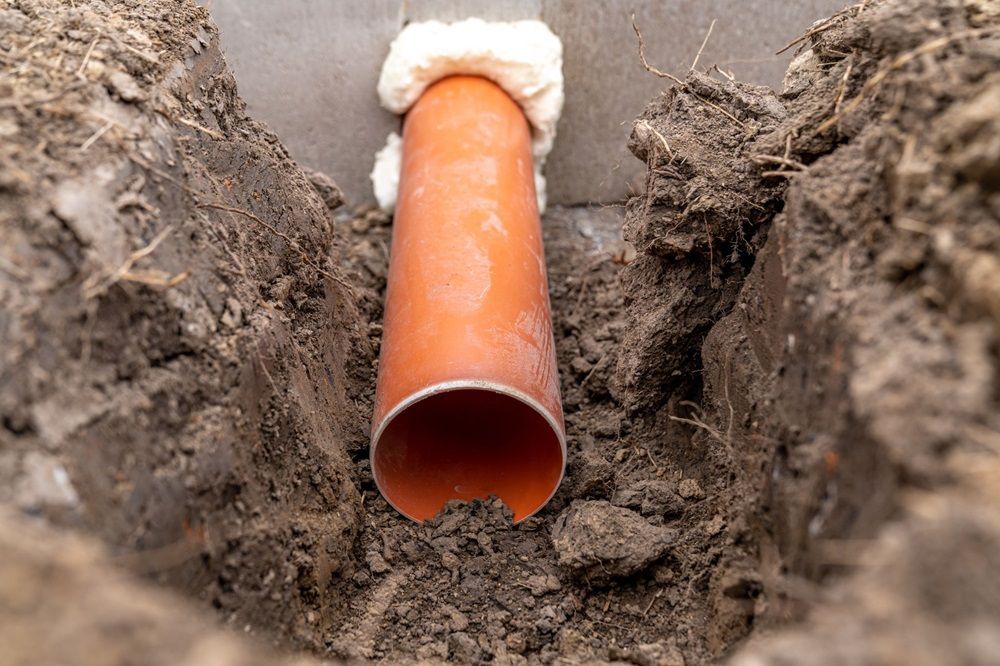
As the ground dries out, the soil around buried pipes can shrink and shift. In the Central Valley, that movement can lead to cracks, misaligned joints, and other sewer line problems. Because the damage happens underground, many homeowners don't notice it until slow drains, foul odors, or sewage backups appear.
If you live in the greater Sacramento area and you're thinking "my pipes are probably fine," you may be overlooking a risk that's developing right beneath your property.
How Does Sacramento's Soil Cause Sewer Line Problems in Summer?
Most homeowners blame tree roots or old pipes. While those matter, they're not the primary driver of summer sewer failure in Sacramento.
The Central Valley's soil is dominated by expansive clay. When it's wet, it swells. When it's hot and dry—which is most of summer here—it shrinks. That shrinkage can be significant, causing clay soils to lose 10-15% of their volume as they dry out. Your sewer line, which sits 3-6 feet underground, is sitting directly in the middle of this annual squeeze.
As the clay around a sewer line dries and contracts, gaps can begin to form around the pipe. The resulting ground movement may cause sections of the line to shift, settle, or lose their proper slope. Joints that were once securely sealed can develop small separations. These openings are often too small to notice, but they create ideal entry points for soil, water, and invasive roots.
Why Root Intrusion Peaks During Sacramento Summers?
Summer heat doesn't just affect the soil around your sewer line. It also changes how nearby trees search for water.
As the ground dries out, tree roots naturally grow deeper and farther in search of moisture. If a sewer pipe has even a small crack or separated joint, escaping water can attract roots directly to the line. Once inside, roots continue to grow, creating dense obstructions that catch grease, hair, and other debris moving through the pipe.
In Sacramento, trees with aggressive root systems can turn a minor pipe defect into a serious blockage over time. Summer conditions make the problem worse by accelerating soil drying, encouraging root growth, and increasing the likelihood that debris will accumulate around the intrusion.
Higher Summer Water Usage Adds Stress to Sewer Lines
Between additional showers, landscape irrigation, pool maintenance, and other seasonal activities, household water usage in Sacramento can increase 30-50% from spring to July and August.
That extra volume puts pressure on aging pipes already stressed by ground movement. Pipes that perform adequately during cooler months may begin to show signs of trouble as grease, debris, and other materials accumulate in sections that have shifted or lost their proper slope.
The risk is often greater in homes with older cast-iron or clay sewer lines. These materials become more vulnerable over time, and the combination of summer heat, ground movement, and increased wastewater flow can worsen the existing deterioration.
Heat Accelerates Grease and Debris Buildup
Here's something most plumbers won't tell you directly: the hotter your sewer line, the faster grease solidifies inside it.
You pour hot grease down your kitchen sink. In a cool pipe, it moves along and eventually solidifies downstream—ideally in the city main, not your line, but that's a different conversation. In a hot pipe, grease starts hardening immediately. It sticks to the pipe walls, traps debris, and builds up faster.
Summer heat in Sacramento can push underground temperatures to 80-90 degrees Fahrenheit in the upper portions of your line. That's hot enough to accelerate the chemical process that turns liquid grease into sludge.
Add root intrusion and debris to the mix, and what began as a minor restriction can turn into a serious blockage. These problems rarely happen overnight. More often than not, homeowners notice slow drains, foul odors, or recurring backups before discovering a larger issue in the sewer line.
The Slow Build-Up Behind Fall Sewer Problems
Sacramento homeowners often call a plumber in September or October with what they think is a sudden problem. "This just started happening," they say.
It didn't just start. It started in June. The damage accumulated all summer invisibly. The blockage grew steadily. By the time it's severe enough to noticeably slow drainage, the problem is already advanced.
This matters because homeowners who wait until they see a symptom are waiting until they need an emergency repair instead of a preventive one. Emergency repairs cost more, take longer, and carry a higher risk of property damage.
Why Video Camera Inspection Is Non-Negotiable in Sacramento
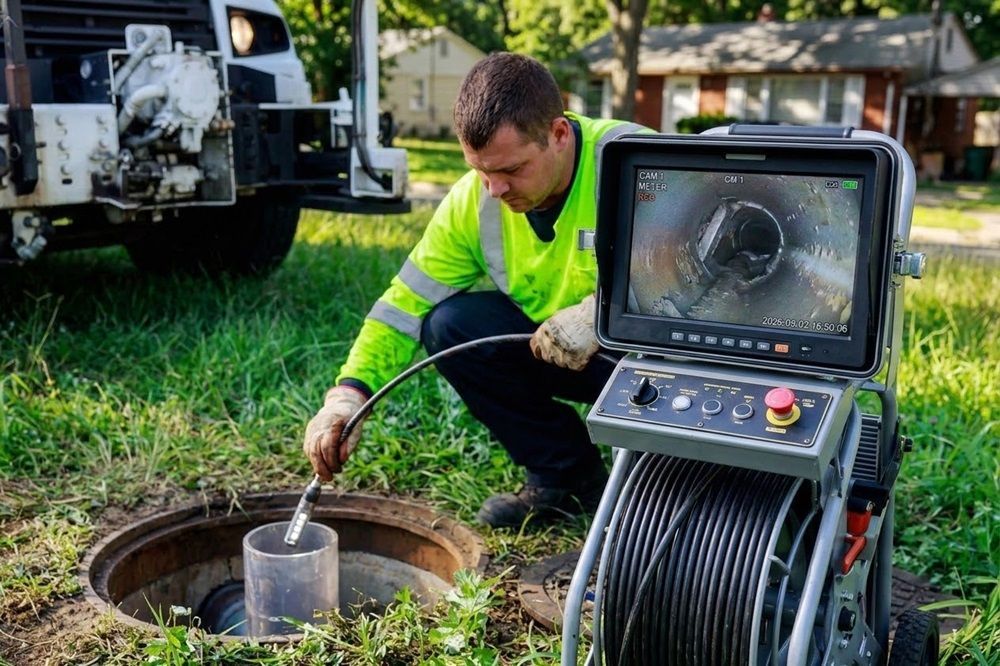
You can't see what's happening inside your sewer line. Problems such as soil-related pipe movement, root intrusion, buildup, and small separations often develop out of sight and may not show obvious symptoms until significant damage has already occurred.
A professional video camera inspection—sometimes called a sewer scope—shows you exactly what's happening inside your pipe. It reveals:
- Joint separations and cracks
- Root intrusion (and how severe it is)
- Grease and debris accumulation
- Pipe sagging or misalignment
- Material deterioration
In Sacramento specifically, an inspection in late spring (May or June) catches problems before summer stress makes them worse. An inspection in early fall (September) reveals the damage that occurred and how urgent the repairs need to be.
Mako Plumbing and Sewer recommends a baseline inspection for any Sacramento home over 25 years old, especially if you've never had one. If you see slow drains, hear gurgling sounds, or notice sewage smell in your yard, an inspection stops being optional—it becomes the first step of any repair.
Hydro-Jetting vs. Snake: Why Sacramento Summers Demand the Right Tool
When grease, roots, and debris accumulate, a standard sewer snake—a rotating cable that breaks through blockages—can clear the immediate clog. But it doesn't address the underlying problem.
Hydro-jetting uses high-pressure water to scour the entire interior of your pipe. It removes grease buildup, flushes out debris, and clears root fragments. In Sacramento's summer conditions, hydro-jetting is the difference between a temporary fix and a solution that holds.
A snake might clear your line for three months. Hydro-jetting can keep it clear for years—especially if you follow it up with a camera inspection to identify and repair any cracks or separations that are inviting root intrusion.
How Mako Plumbing and Sewer Approaches Summer Sewer Risk
The standard approach in the industry is reactive: homeowners call when they have a problem, and plumbers fix it. That works for the plumber's bottom line. It doesn't work for the homeowner's wallet or peace of mind.
Mako Plumbing and Sewer takes the opposite approach. A camera inspection costs a fraction of an emergency sewer line replacement. It's the cheapest insurance you can buy if you live in Sacramento and you have an older home.
The owner-operator personally performs these inspections. That means you're getting someone with 30+ years of combined industry experience reading your specific line, not a technician following a script.
You'll also receive a free estimate and a clear repair plan, allowing you to understand your options before making any decisions. If repairs are needed, permit coordination and insurance assistance help streamline the process, reducing the stress and administrative burden that often comes with major sewer work.
What to Do Right Now
If you live in Sacramento and your home is over 20 years old, schedule a sewer camera inspection before August. Don't wait for a backup.
If you've already noticed slow drains, gurgling sounds, or sewage smell, please get in touch. Every day you wait is another day when roots grow deeper, and blockages build.
If you've had a sewer issue before, you need an inspection to confirm that the repair held and that new problems haven't developed.
Summer heat and drought are coming. Your sewer line is already under stress. The only way to know for certain what's happening is to look inside.
Frequently Asked Questions About Summer Sewer Line Problems
How often should a sewer line be inspected?
Most plumbing professionals recommend a sewer camera inspection every 1–2 years for older homes and anytime you are buying a property. Homes with mature trees, a history of root intrusion, or sewer repairs may benefit from more frequent inspections.
Can hot weather really damage sewer pipes?
Yes. Sacramento's summer heat can dry out and shrink the clay-rich soils surrounding underground sewer lines. As the soil contracts, pipes may shift, settle, crack, or develop separated joints. While the damage often starts small, it can eventually lead to blockages, leaks, and costly repairs.
Are older homes more likely to experience sewer line problems?
Generally, yes. Homes built before the 1980s often have clay, cast-iron, or Orangeburg sewer pipes that are more susceptible to cracking, corrosion, root intrusion, and age-related deterioration.
Does homeowners' insurance cover sewer line damage?
Coverage varies by policy. Standard homeowners insurance typically does not cover damage caused by normal wear and tear, aging infrastructure, or root intrusion. However, some policies offer sewer line endorsements or service line coverage that may help pay for repairs.
When should a sewer line be replaced instead of repaired?
Replacement may be the better option when a sewer line has extensive cracking, severe corrosion, repeated root intrusion, multiple collapsed sections, or widespread structural damage. A camera inspection can determine whether a repair or full replacement is the most cost-effective solution.
You might also like